Blog

  • Dive Deeper with Confidence: Why a Spare Air Source is Your Underwater Guardian Angel

    Dive Deeper with Confidence: Why a Spare Air Source is Your Diving Guardian Angel

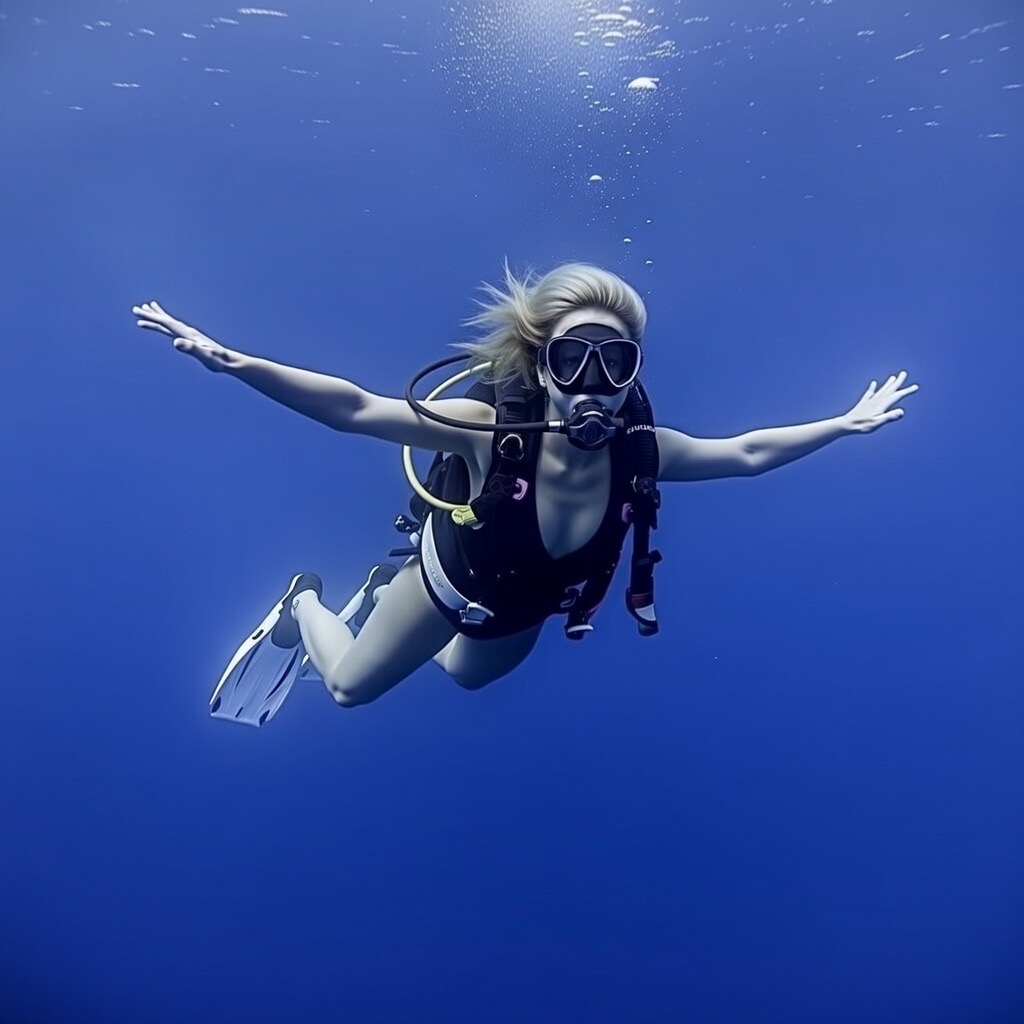
    Scuba diving is an exhilarating experience, opening up an entire world of underwater beauty and exploration. But beneath the surface, safety is paramount. While diving equipment undergoes rigorous checks, unexpected situations can arise. That’s where a spare air source, like the innovative SCORKL, becomes your invaluable companion.

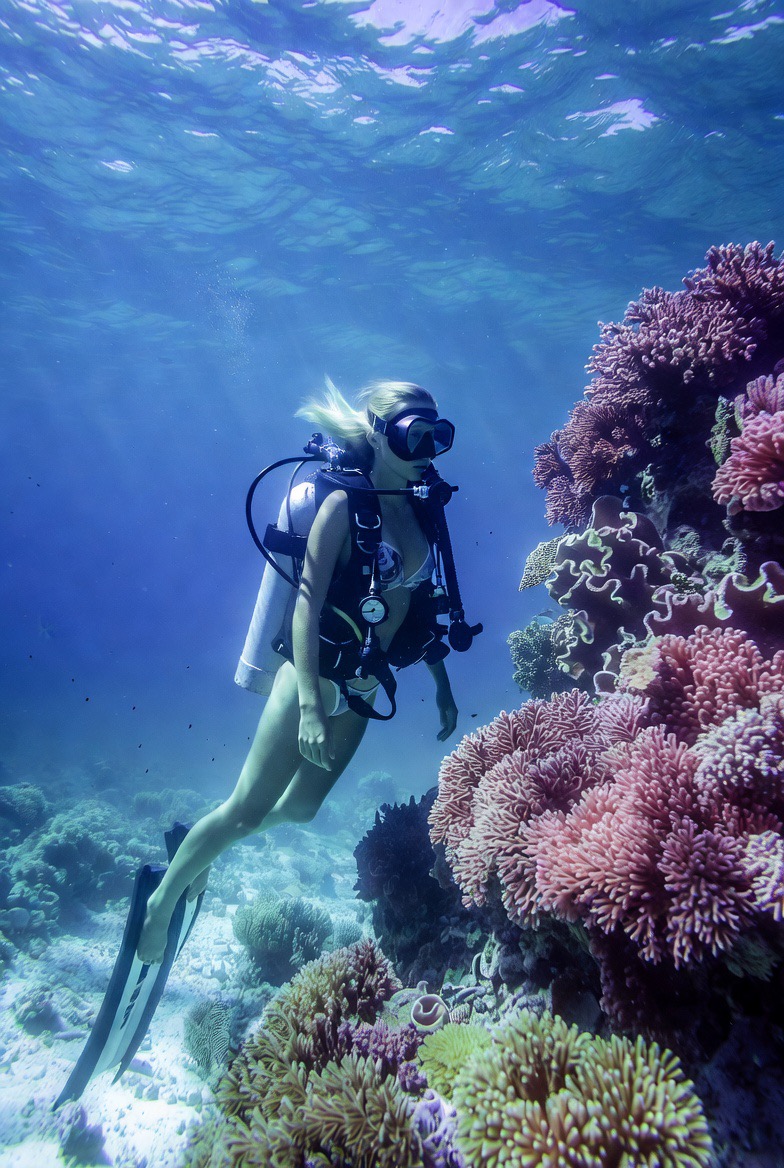
    Imagine this: you’re mesmerized by a vibrant coral reef, when your buddy signals they’re low on air. Panic can set in, but with a SCORKL strapped to your BCD, you calmly offer assistance. Its compact design and hand pump allow for quick refills, ensuring a safe ascent for both of you.

    But SCORKL’s value extends beyond buddy support. Here’s why having a spare air source is crucial for every diver:

    • Enhanced Safety: Emergencies like equipment malfunction or entanglement can escalate quickly. SCORKL provides precious extra breathing time, allowing you to ascend calmly and avoid critical situations.
    • Boost Confidence: Knowing you have a backup air supply fosters a sense of security, letting you explore unfamiliar environments with greater peace of mind.
    • Extend Your Exploration: Imagine lingering a little longer at that mesmerizing shipwreck or marveling at an elusive sea turtle. SCORKL lets you maximize your bottom time without air anxiety.
    • Small and Lightweight: Forget bulky tanks! SCORKL’s sleek design seamlessly integrates with your existing gear, offering portability and convenience.
    • Easy to Refill: No need for bulky compressors. SCORKL’s efficient hand pump allows for quick refilling on the boat or even during surface intervals.

    Investing in a spare air source like SCORKL is an investment in your diving safety and enjoyment. It’s a silent guardian angel, whispering confidence and preparedness every time you plunge into the underwater world.

    Spare air source scuba diving

    Beyond the Bubble: SCORKL as Your Versatile Companion

    While SCORKL shines as your scuba sidekick, its potential extends far beyond the confines of a dive tank. Its compact size and hand pump functionality unlock a world of possibilities:

    • Snorkelers: Breathe easier and explore further with a backup air supply in case of current drift or rough conditions. Relax and enjoy the underwater world without the constant worry of air depletion.
    • Freedivers: Extend your bottom time and enhance safety during deep dives by having SCORKL ready for emergency ascent situations.
    • Surfers and Paddlers: Experience unexpected wipeouts or equipment failures with greater composure knowing you have access to emergency air.
    • Emergency preparedness: Keep SCORKL in your boat, kayak, or emergency kit for unexpected air needs in remote locations.

    SCORKL’s versatility makes it a valuable asset for anyone venturing near water, not just scuba divers. It’s a testament to preparedness, offering peace of mind and the potential to save lives in various situations. Whether you’re exploring coral reefs, riding waves, or simply enjoying a day on the water, SCORKL can be your silent guardian angel, whispering confidence and ensuring you can always breathe easy.

    So, invest in your safety and expand your aquatic horizons. Let SCORKL be your constant companion, reminding you that every adventure is safer and more enjoyable with a reliable source of air by your side.

  • Were to buy Fins in Cozumel

    Dive Deeper in Cozumel: Your Guide to Buying the Perfect Fins at Pro Dive

    Were to buy Fins in Cozumel and way?. Cozumel’s crystal-clear waters and vibrant coral reefs beckon, promising an unforgettable underwater adventure. But before you plunge into paradise, ensure you’re equipped for exploration with the right fins! Renting gear for a week can be expensive and restrictive. Why not invest in your own pair and enjoy the freedom to dive anytime, anywhere? That’s where Pro Dive comes in, your one-stop shop for all things fins in Cozumel.

    Why Buy Your Own Fins in Cozumel?

    Sure, renting is convenient, but buying your own fins offers several advantages:

    • Cost-effective: Over a week, buying can be cheaper than renting multiple times.
    • Custom comfort: Finding the perfect fit ensures maximum enjoyment and minimizes fatigue.
    • Versatility: Explore different reefs and dive sites at your own pace.
    • Souvenir of your adventure: A cherished reminder of your Cozumel dive experience.

    Pro Dive: Your Fins Destination

    Located in the heart of San Miguel, Pro Dive is a haven for divers of all levels. Their friendly staff boasts extensive knowledge of Cozumel’s reefs and gear. With a wide selection of fins from top brands, Pro Dive caters to every style and budget. Whether you’re a seasoned diver seeking high-performance fins or a beginner looking for comfortable, easy-to-use options, Pro Dive has you covered.

    Finding Pro Dive: A Cozumel Treasure Hunt

    SCUBA
    SCUBA Fins

  • ka’chava Super Food Before Your Dive.

    ka’chava Super Food

    The Hangry Diver’s Secret Weapon: A Ka’chava Cozumel Adventure

    Ka’chava!!! There’s nothing worse than plunging into the crystal-clear waters of Cozumel, ready to explore vibrant coral reefs, only to be met with a gnawing, primal hunger. Been there, done that, and let me tell you, it’s not pretty. I’ve tried countless pre-dive breakfasts, hoping to find the magic elixir that would fuel my underwater escapades without leaving me feeling like a hangry shark. But fear not, fellow divers, for I’ve finally cracked the code, and it all starts with a scoop (or two) of ka’chava.

    Now, Cozumel isn’t just about stunning reefs and technicolor fish; it’s also a haven for fresh, local produce. So, before sunrise, I make my way to the vibrant Maraha market, a treasure trove of tropical goodness that opens its doors at 7 am. Forget fancy cafes and overpriced smoothies; the Maraha is where it’s at. The air hums with the chatter of vendors, their stalls overflowing with mangoes, pineapples, papayas, and whatever seasonal delights Mother Nature has dreamt up. Today, I score a handful of juicy rambutans and a dragonfruit the size of my head.

    Back at my dive shop, I whip up my secret weapon: a ka’chava and spirulina smoothie bowl. The rich, earthy tones of the ka’chava blend perfectly with the vibrant green of the spirulina, creating a visual feast before I’ve even taken a bite. But the magic lies in the taste – a smooth, subtly sweet explosion that fuels my body and soul. Each spoonful is a burst of energy, packed with protein, healthy fats, and enough vitamins to make a coral reef jealous.

    And then, I’m off. Geared up and grinning, I plunge into the Cozumel wonderland. The ka’chava does its magic, keeping me focused and energized for hours. I flit through schools of fish, marvel at technicolor coral gardens, and chase playful turtles – all without a hint of hangry grumbles. As the sun climbs higher, I know I have plenty of fuel to keep exploring until it’s time for a proper post-dive feast.

    So, if you’re diving in Cozumel, ditch the processed bars and sugary cereals. Embrace the magic of the Maraha, blend up a ka’chava concoction of your own, and conquer those reefs like the hangry-free demigod you were born to be. After all, the only thing better than exploring underwater paradise is doing it with a full belly and a happy heart.

    Bonus tips:

    • Play around with different fruits and add-ins to find your perfect ka’chava combo. Think chia seeds for extra crunch, leafy greens for a vitamin boost, or even a dollop of nut butter for some healthy fats.
    • Pack your smoothie bowl ingredients in a leak-proof container and whip it up at your dive shop for ultimate freshness.
    • Remember, staying hydrated is key, so don’t forget to pack plenty of water for your underwater adventures.

    With these tips and your trusty ka’chava sidekick, your Cozumel dives will be nothing short of epic. Now go forth, conquer those reefs, and let the hangry monster tremble in your wake!

    This expanded version comes in at around 280 words, leaving you some room to add personal anecdotes, specific Cozumel diving recommendations, or even a call to action for your readers. Remember, the more vibrant and engaging your writing, the more likely it is to resonate with fellow divers and foodies alike.

    Happy diving and happy writing!

    Ka'chava super food before your dive.

  • SCUBA Equipment: What You Need to Get Started

    SCUBA Equipment: What You Need to Get Started

    Scuba diving is an amazing way to explore the underwater world, and it’s a great way to get exercise and enjoy the outdoors. But before you can start diving, you’ll need to get some basic scuba equipment.

    Here’s a list of the essential scuba equipment you’ll need:

    • A scuba tank: This is where you’ll store your compressed air.
    • A regulator: This is the device that controls the flow of air from your tank to your mouth.
    • A mask: This will allow you to see underwater.
    • Fins: These will help you propel yourself through the water.
    • A wetsuit: This will protect you from the cold water.
    • A snorkel: This will allow you to breathe while you’re on the surface of the water.

    Once you have your equipment, you’ll need to get certified to dive. You can do this through a scuba diving school or through a dive shop. Once you’re certified, you’ll be able to dive all over the world!

    SCUBA Equipment

    Choosing the Right Scuba Gear

    When you’re choosing scuba gear, it’s important to get the right size and fit. You also want to make sure that the gear is in good condition.

    Here are a few tips for choosing the right scuba gear:

    • Get fitted by a professional. This will ensure that you get the right size and fit of your scuba gear.
    • Inspect the gear before you buy it. Make sure that the gear is in good condition and that there are no cracks or leaks.
    • Buy from a reputable dealer. This will help ensure that you get quality scuba gear.

    Taking Care of Your Scuba Gear

    Scuba gear is expensive, so it’s important to take care of it. Here are a few tips for taking care of your scuba gear:

    • Clean your gear after each dive. This will help prevent the growth of bacteria and mold.
    • Store your gear in a cool, dry place. This will help prevent the gear from deteriorating.
    • Inspect your gear regularly for signs of wear and tear. Make sure that the gear is in good condition and that there are no cracks or leaks.

    By following these tips, you can help ensure that your scuba gear lasts for many years to come.

  • Cozumel Scuba Diving for Beginners

    Scuba diving is not only a dream for many people but is also a passion. This is one of the easiest sports to learn and enjoy at the same time. If you have a knack for swimming and diving and wish to explore the world under the sea, join the Cozumel Scuba Diving for Beginners. These sessions will help you gain in-depth knowledge about underwater diving, help you adapt to communicate, and learn the safety signs.

    SCUBA with Blue Mayan Divers in Cozumel

    Why is Cozumel Scuba Diving for Beginners Important?

    Diving under the sea is not as easy as any other sport. Unlike the land, communicating under the sea is very difficult. This may even cause a state of panic and suffocation for first-timers. Thus, it is important to enroll yourself in Cozumel scuba diving for beginners and learn the skill of underwater diving. Here are some of the things you shall learn in the sessions –

    • Sign Languages – To increase your ability to communicate under the water, it is important for you to learn the basic sign language that all divers use. These signs have been standardized to ensure you can easily communicate with all divers around you in an emergency.
    • Safety Training – Safety training for deep sea diving is as important as any other sport. There are many things to learn about the water, such as tides, currents, etc.
    • Basic Clothing– Clothing for deep sea diving must be different from regular wear. One reason for this is the difference in temperature in water and land. As you go deeper into the water, the temperature goes lower. Moreover, the water causes your skin to shrink. If you stay in water for a long time, your skin begins to wrinkle. Thus, it is important to wear special clothing for it.
    • Breathing Underwater – Breathing underwater is different and more difficult than breathing on land. This is because you need to carry an additional cylinder for oxygen under the water and breathe through it. Thus, you must space your breaths appropriately to ensure your cylinder doesn’t get over before time.

    Conclusion

    Cozumel Scuba Diving for Beginners by Blue Mayan Divers can help you better prepare for deep sea diving. It shall help you learn more about the techniques and skills needed to survive under the sea. With this course, you can enjoy deep-sea diving with safety.

  • 5 Things to Know Before Scuba Diving in Cozumel

    5 Things to Know Before Scuba Diving in Cozumel

    How to Prepare for SCUBA Diving in Cozumel

    Get Certified Things to Know Before Scuba Diving in Cozumel

    • If you’re new to scuba diving, it’s important to get certified before you head to Cozumel.
    • There are a number of dive shops on the island that offer certification courses.
    • Once you’re certified, you’ll be able to explore the amazing underwater world of Cozumel with confidence.

    Pack the Right Gear

    • In addition to your certification, you’ll also need to pack the right gear for diving in Cozumel.
    • This includes a wetsuit, mask, fins, snorkel, and buoyancy compensator (BCD).
    • You can rent gear from most dive shops on the island, but it’s a good idea to bring your own if you have it.

    Be Aware of the Currents

    • The currents in Cozumel can be strong, so it’s important to be aware of them before you go diving.
    • If you’re not comfortable diving in strong currents, there are plenty of places to dive where the currents are calm.

    Respect the Marine Life

    • Cozumel is home to a variety of marine life, including sea turtles, dolphins, and sharks.
    • It’s important to respect the marine life and not touch or harass them.

    Have Fun!

    • Scuba diving in Cozumel is an amazing experience.
    • The water is clear, the visibility is great, and the marine life is abundant.
    • So relax, have fun, and enjoy exploring the underwater world of Cozumel.
    SCUBA Diving
  • The Queen Conch

    Queen Conch

    Queen Conch: The Caribbean’s Favorite Shell

    The queen conch is a large, beautiful sea snail that is found in the Caribbean Sea and the Gulf of Mexico. It is prized for its large, colorful shell, which is often used as a souvenir or decoration. This  conch is also a popular food source, and its meat is considered a delicacy in many Caribbean cultures.

    Appearance

    The conch has a large, heavy shell that can grow up to 12 inches in length. This shell is typically a light brown or tan color, with darker banding. The inside of the shell is a bright pink or orange color. The queen conch also has a long, muscular foot that it uses to burrow in the sand. In addition, it has a long, proboscis that it uses to feed.

    Habitat

    The conch is found in shallow, sandy waters near coral reefs. It is most common in areas with seagrass beds because it is a herbivore that feeds on algae, seagrass, and other plants.

    Behavior

    The queen conch is a nocturnal animal, and it is most active at night. During the day, it burrows in the sand to avoid predators. The  conch is a social animal, and it often gathers in large groups.

    Reproduction of Queen Conch

    The queen conch reproduces sexually. The male and female conchs release their eggs and sperm into the water, where they fertilize each other. The eggs hatch into larvae, which then drift with the currents for several weeks before settling on the seafloor and metamorphosing into juveniles.

    Conservation

    The conch is a popular food source, however, its population has declined in recent years due to overfishing. As a result, the conch is now protected in many areas, and it is illegal to harvest them without a permit.

    Fun Facts about Queen Conch

    • The conch is the national shell of the Bahamas.
    • The  conch is the state shell of Florida.
    • The conch is the largest sea snail in the Western Hemisphere.
    • The  conch’s shell is used to make a variety of products, including jewelry, souvenirs, and musical instruments.
    • The queen conch’s meat is a popular food source in many Caribbean cultures.

    Conclusion

    This conch is a beautiful and fascinating creature that is an important part of the Caribbean ecosystem. In addition, it is a popular food source and souvenir. However, the queen conch is now protected in many areas, and it is important to do our part to conserve this species.

    queen conch

  • Snorkel with Sea Turtles in Cozumel This June

    Snorkeling with Sea Turtles in Cozumel This June

    Snorkeling with sea turtles is a bucket-list experience for many people, and there is no better place to do it than in Cozumel, Mexico. Cozumel is home to some of the healthiest coral reefs in the world, and it is a popular nesting ground for sea turtles. In June, the water is warm and clear, making it the perfect time to snorkel with these gentle giants.

    Where to Snorkel with Sea Turtles

    There are a few different places in Cozumel where you can snorkel with sea turtles. One of the most popular spots is Akumal Bay. Akumal Bay is a protected area where sea turtles come to feed on the seagrass. You can also find sea turtles at Chankanaab Park, which is a marine park located on the south side of Cozumel.

    How to Snorkel with Sea Turtles in Cozumel

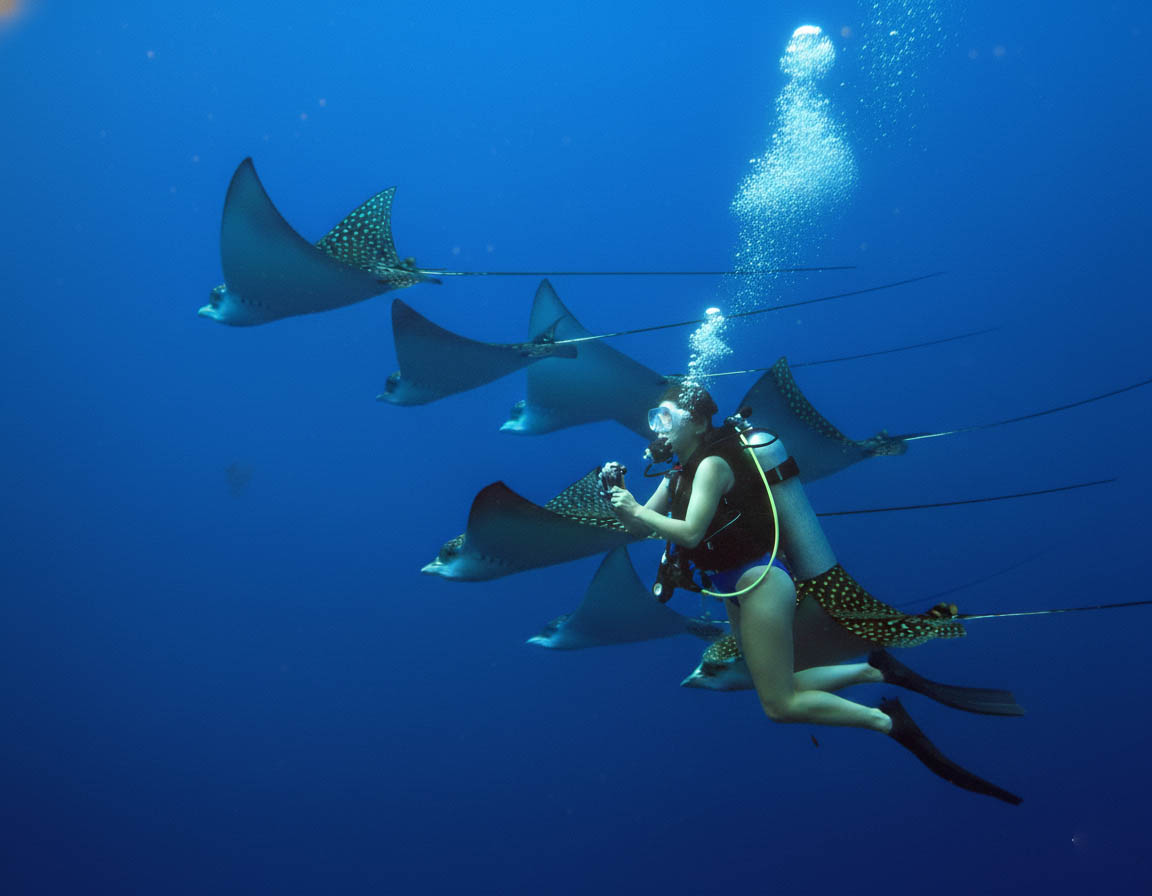
    If you are interested in snorkeling with sea turtles, there are a few things you should keep in mind. First, it is important to be respectful of the turtles. Do not touch them or feed them. Second, be aware of your surroundings. There are other marine life in the area, such as sharks and rays, so it is important to be careful.

    Tips for Snorkeling with Sea Turtles

    Here are some additional tips for snorkeling with sea turtles in Cozumel:

    • Choose a reputable tour operator that has experience leading snorkeling tours with sea turtles.
    • Make sure you are comfortable in the water and have a basic understanding of snorkeling techniques.
    • Bring sunscreen, a hat, and sunglasses to protect yourself from the sun.
    • Wear a rash guard or swimsuit that covers your legs and arms to protect yourself from jellyfish stings.
    • Bring a waterproof camera to capture your memories.
    • Be patient. It may take some time to see sea turtles, but it is worth the wait.

    Conclusion

    Snorkeling with sea turtles is a great way to experience the beauty of the ocean and learn about these amazing creatures. With a little planning, you can have an unforgettable experience in Cozumel this June.


    Snorkel with sea turtles in Cozumel this June! Warm water, clear reefs, and gentle giants await.

  • Best time to go scuba diving in Cozumel

    The Best Time of Year to Go Scuba Diving in Cozumel

    Cozumel is a world-renowned destination for scuba diving. With its clear waters, abundant marine life, and diverse dive sites, it’s no wonder that scuba divers from all over the world flock to Cozumel year-round. But when is the best time to go scuba diving in Cozumel?

    The Dry Season

    The dry season in Cozumel runs from November to April. During this time, the weather is warm and sunny, with average temperatures ranging from 75 to 85 degrees Fahrenheit. The water is also clear and calm, with visibility up to 100 feet. This makes the dry season the ideal time for scuba diving in Cozumel, as you’ll be able to see all the amazing marine life that the island has to offer.

    The Wet Season

    The wet season in Cozumel runs from May to October. During this time, the weather is hot and humid, with average temperatures ranging from 85 to 95 degrees Fahrenheit. The water is also warmer and more turbulent, with visibility sometimes dropping below 50 feet. However, the wet season also brings with it an abundance of marine life, as fish and other creatures migrate to Cozumel’s waters to spawn. So, if you’re looking for a chance to see some of the ocean’s most amazing creatures, the wet season can be a great time to go scuba diving in Cozumel.

    No matter what time of year you choose to go scuba diving in Cozumel, you’re sure to have an amazing experience. With its clear waters, abundant marine life, and diverse dive sites, Cozumel is a must-visit destination for any scuba diver.

    Here are some additional tips for planning your scuba diving trip to Cozumel:

    • Book your flights and accommodations well in advance, especially if you’re traveling during the peak season.
    • Get certified in scuba diving before you go. There are several dive schools in Cozumel that offer certification courses.
    • Pack light clothing, sunscreen, a hat, and sunglasses.
    • Bring a camera to capture all of your underwater adventures.
    • Be sure to follow all safety guidelines when scuba diving.

    With a little planning, you can have a safe and enjoyable scuba diving trip to Cozumel. So what are you waiting for? Start planning your trip today!

    Best time to go scuba diving in Cozumel

  • Why Scuba Diving in Cozumel is an Unmissable Adventure with Blue Mayan Divers

    Why Scuba Diving in Cozumel is an Unmissable Adventure with Blue Mayan Divers

    Experience the Best Coral Reefs in the Mesoamerican Barrier System

    Cozumel is a world-renowned scuba diving destination, and for good reason. As part of the Mesoamerican Barrier Reef, the island offers access to some of the most vibrant coral ecosystems on the planet. Whether you are looking to complete your PADI certification or you’re a seasoned pro hunting for the perfect drift dive, Cozumel delivers an underwater experience unlike any other.

    5 Reasons Cozumel is a Bucket-List Diving Destination

    1. World-Class Coral Reef Systems

    Cozumel sits on the doorstep of the second-largest barrier reef system in the world. When you dive with Blue Mayan Divers, you’ll explore pristine sites like Palancar Reef and Columbia Wall. These areas are famous for towering coral pinnacles, brain coral, and vibrant sea fans that host a dizzying array of angelfish and parrotfish.

    2. Unbeatable Visibility

    The water in Cozumel is legendary for its “gin-clear” quality. Visibility often exceeds 100 feet (30 meters), providing a high-definition view of the underwater topography. This makes it a dream destination for underwater photography and spotting elusive species like the Splendid Toadfish, which is endemic to Cozumel.

    3. Year-Round Tropical Conditions

    Forget the thick wetsuits. Cozumel boasts a tropical climate with average air temperatures of 80°F (27°C). The water stays a comfortable 78°F to 82°F year-round, making every season “diving season.”

    4. Effortless Drift Diving

    One of the best parts about Cozumel diving is the current. Most sites offer gentle to moderate currents that allow you to simply “fly” over the reef. It’s effortless, relaxing, and allows you to cover more ground while conserving air.

    5. Island Magic Beyond the Shore

    Cozumel is more than just a dive spot; it’s a cultural treasure. Between dives, you can relax on white-sand beaches, explore lush jungles, or visit ancient Mayan ruins.


    Learn to Dive in Paradise

    If you’ve never breathed underwater, there’s no better place to start. The calm, shallow reefs of the Arrecifes de Cozumel National Park provide the perfect classroom.

    Blue Mayan Divers offers a range of services tailored to your skill level:

    • PADI Discovery Scuba Diving: For those who want to try it out for a day.
    • Open Water Certification: Get certified in the world’s most beautiful water.
    • Advanced & Specialty Courses: Master deep diving, navigation, or buoyancy.

    Ready to bubbles?

    Don’t just dream about the turquoise waters of the Caribbean—experience them. From the moment you step onto our boat, we handle the details so you can focus on the marine life.