Author: toadfish

  • The Persistence of Buoyancy: Why Cozumel is a Dalí Masterpiece Underwater

    The Persistence of Buoyancy: Why Cozumel is a Dalí Masterpiece Underwater

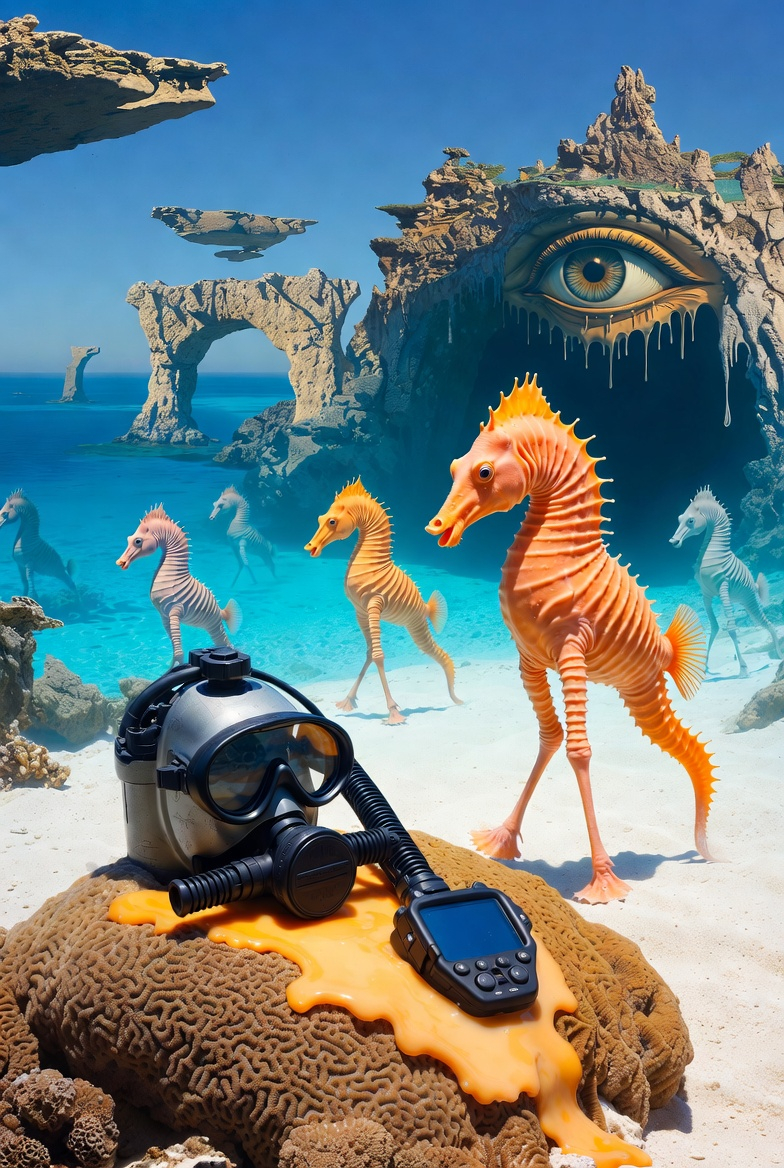
    In 1936, Salvador Dalí nearly suffocated while giving a lecture in a deep-sea diving suit. He told the gasping crowd he wanted to “plunge into the human mind.”

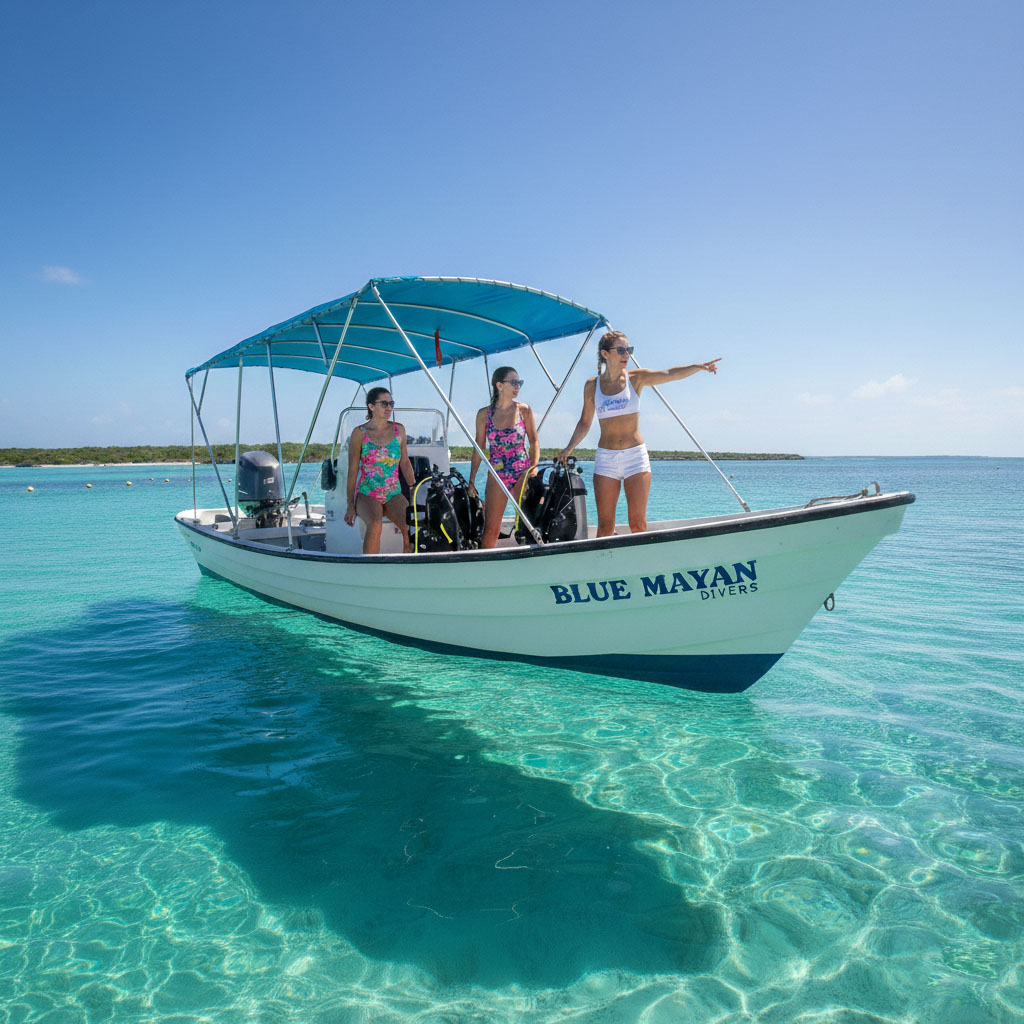
    At Blue Mayan Divers, we think he just had the wrong dive shop.

    Diving in Cozumel isn’t just a sport; it’s a surrender to the surreal. It’s where the laws of physics become suggestions and the scenery looks like it was painted by a madman with a turquoise obsession. If you’re tired of the “standard” reef tour, it’s time to melt your expectations.

    The Liquid Desert of Palancar

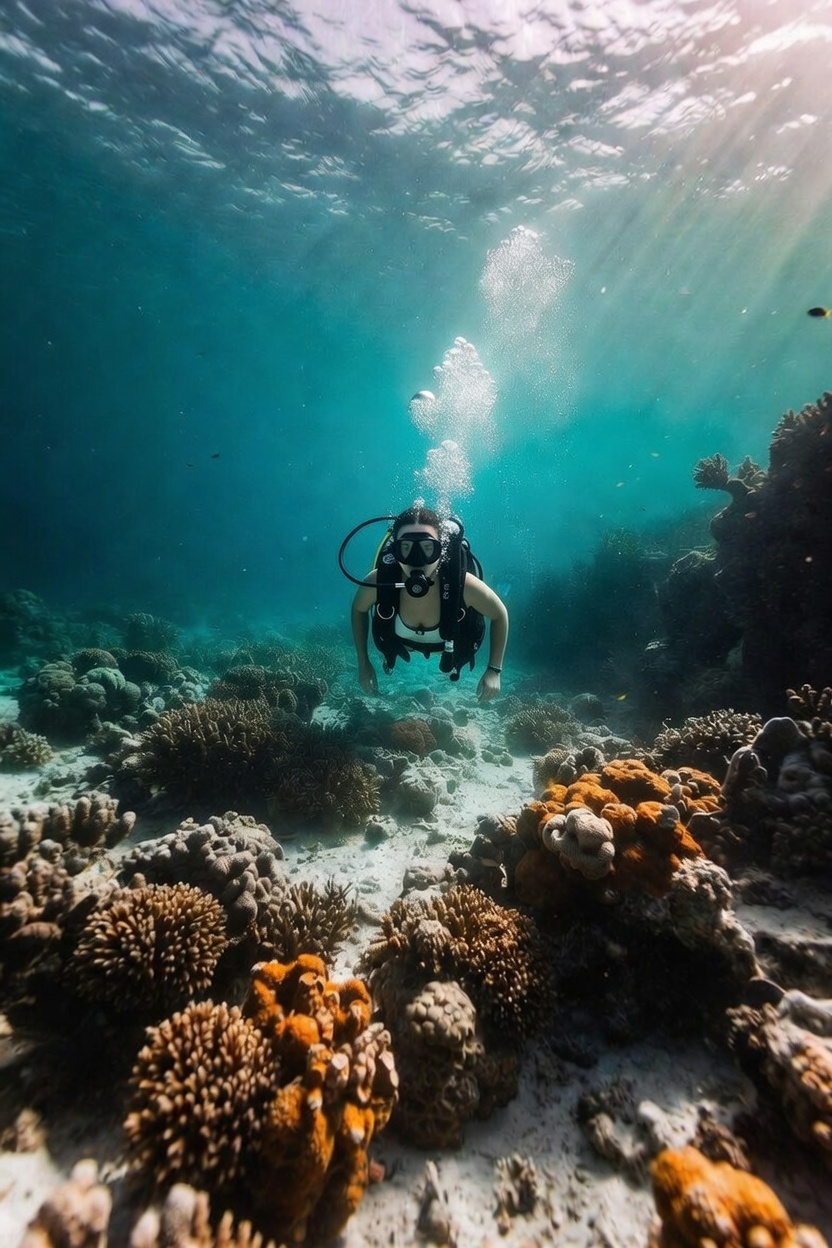
    Imagine a world where mountains are made of lace and gravity is merely an opinion. Drifting through Palancar Gardens with us feels less like swimming and more like flying through a dream you haven’t had yet. The towering coral pinnacles stand like frozen giants, their shadows stretching across the white sand like Dalí’s long-legged elephants.

    The Eye of the Abyss: Devil’s Throat

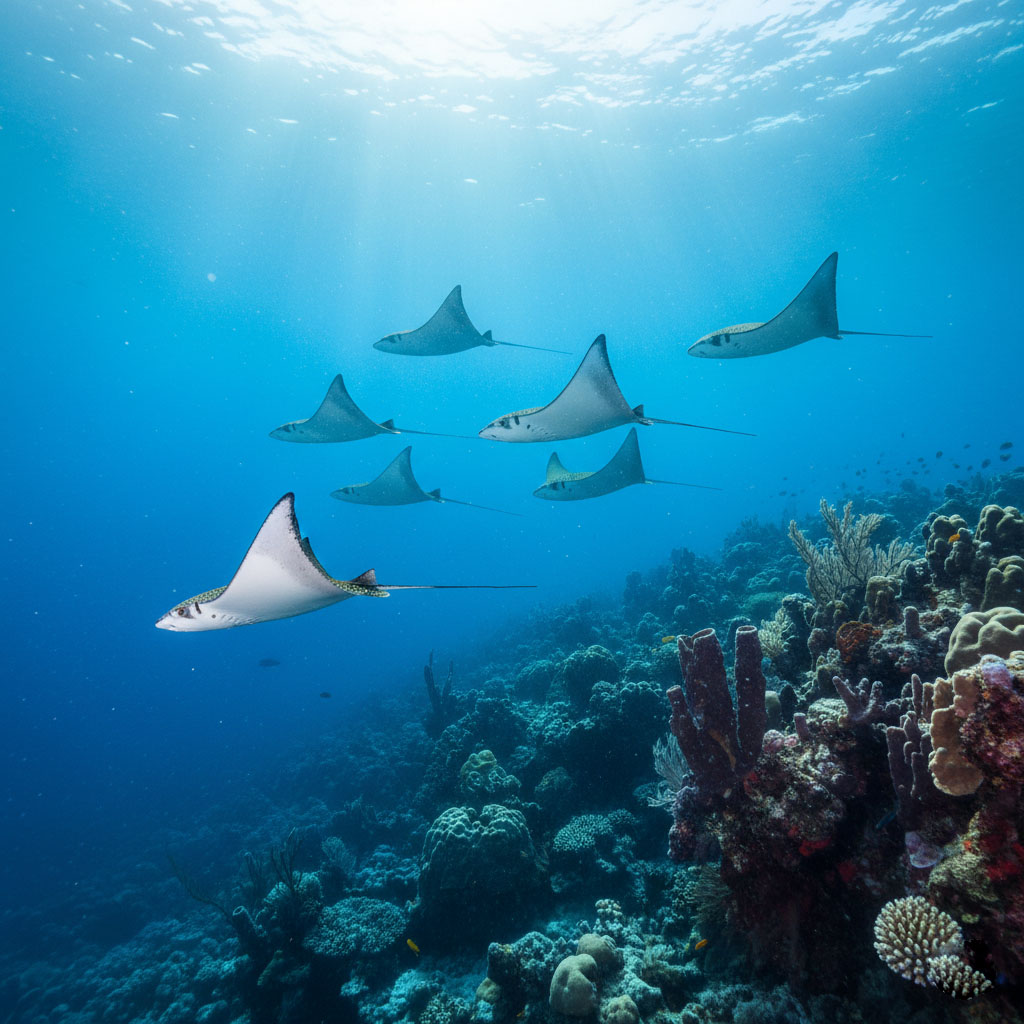
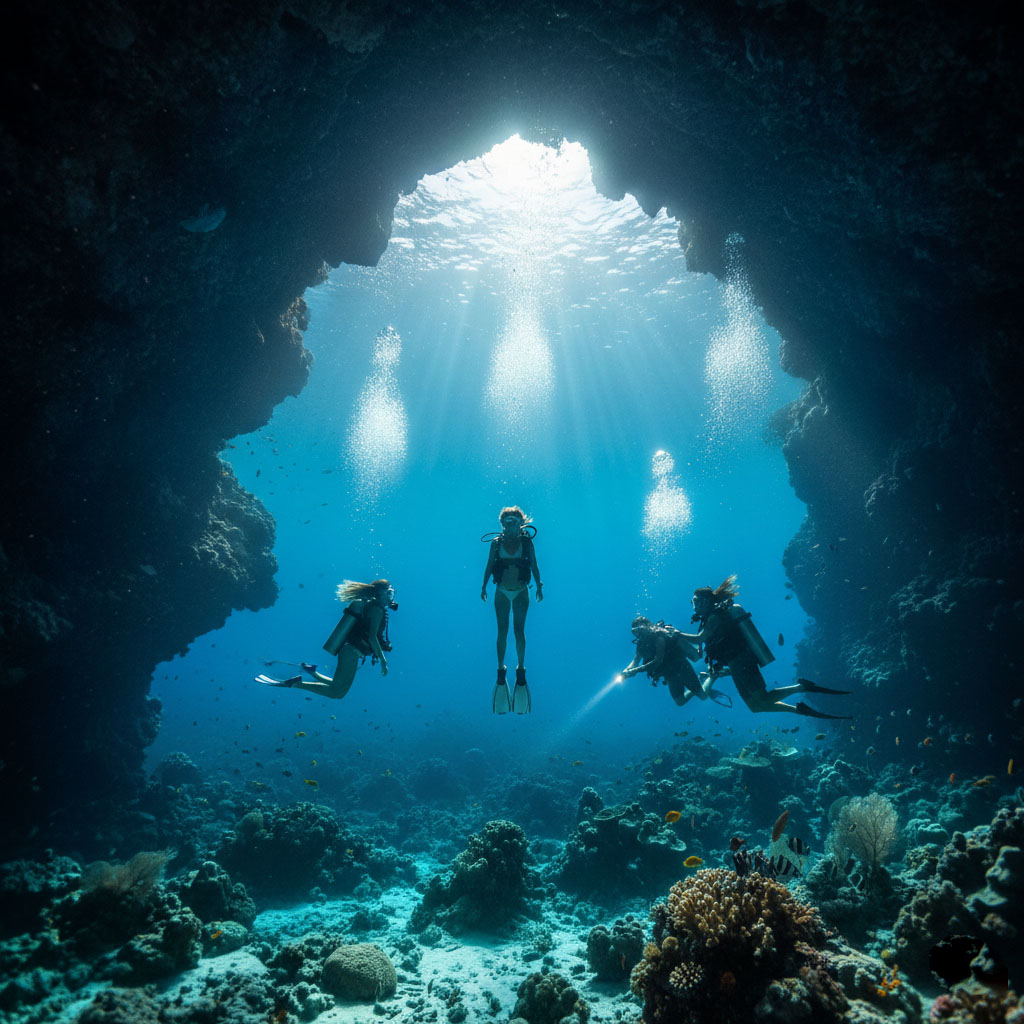
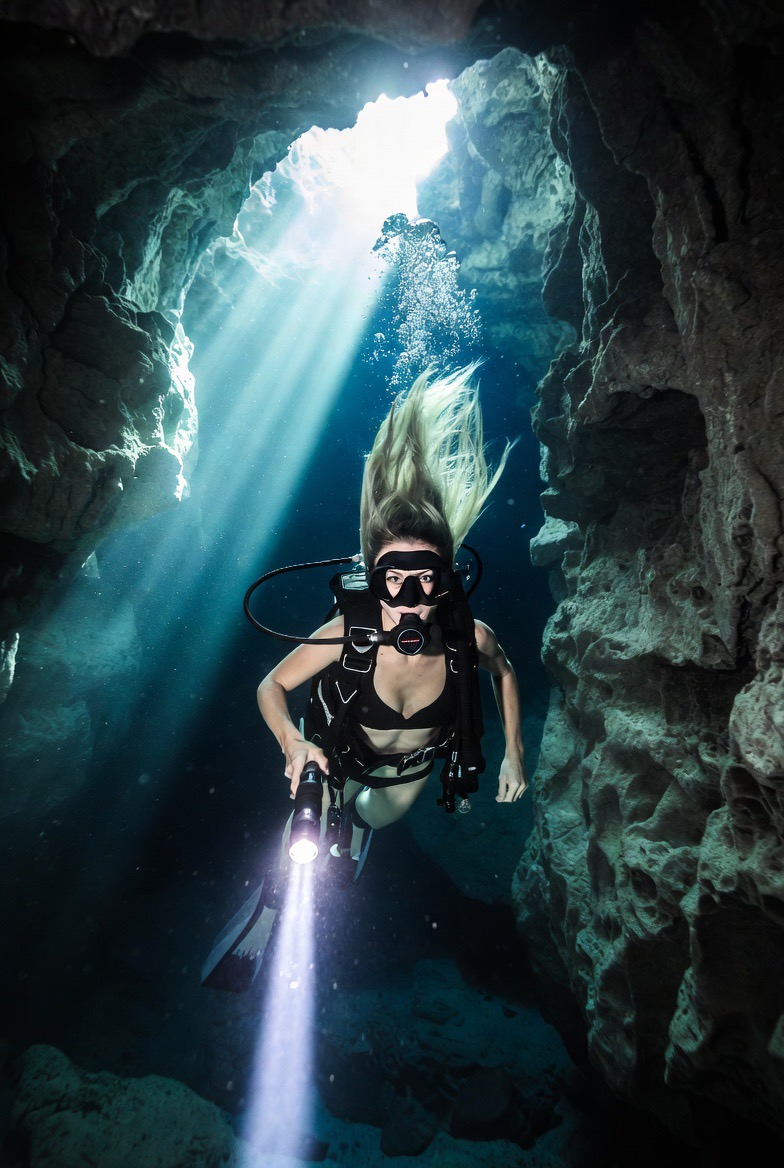
    For those who want to “plunge deeply,” we take you to Punta Sur. Entering the Devil’s Throat is like crawling through the ear of a titan and emerging into the blue iris of the deep. It is a cathedral of light and shadow where the water feels thick with secrets and the eagle rays glide past like silent, flapping thoughts.

    Why Dive with the Blue Mayans?

    We don’t do “cattle boats” or “cookie-cutter” intervals. We believe your dive should be as curated as a gallery opening.

    • Small Groups: No crowds to break the hallucination.
    • Surrealist Safety: We handle the gear so you can handle the awe.
    • Subconscious Connection: Our guides don’t just show you fish; they show you the hidden architecture of the Mesoamerican Reef.

    “I do not take drugs. I am drugs.” — Salvador Dalí

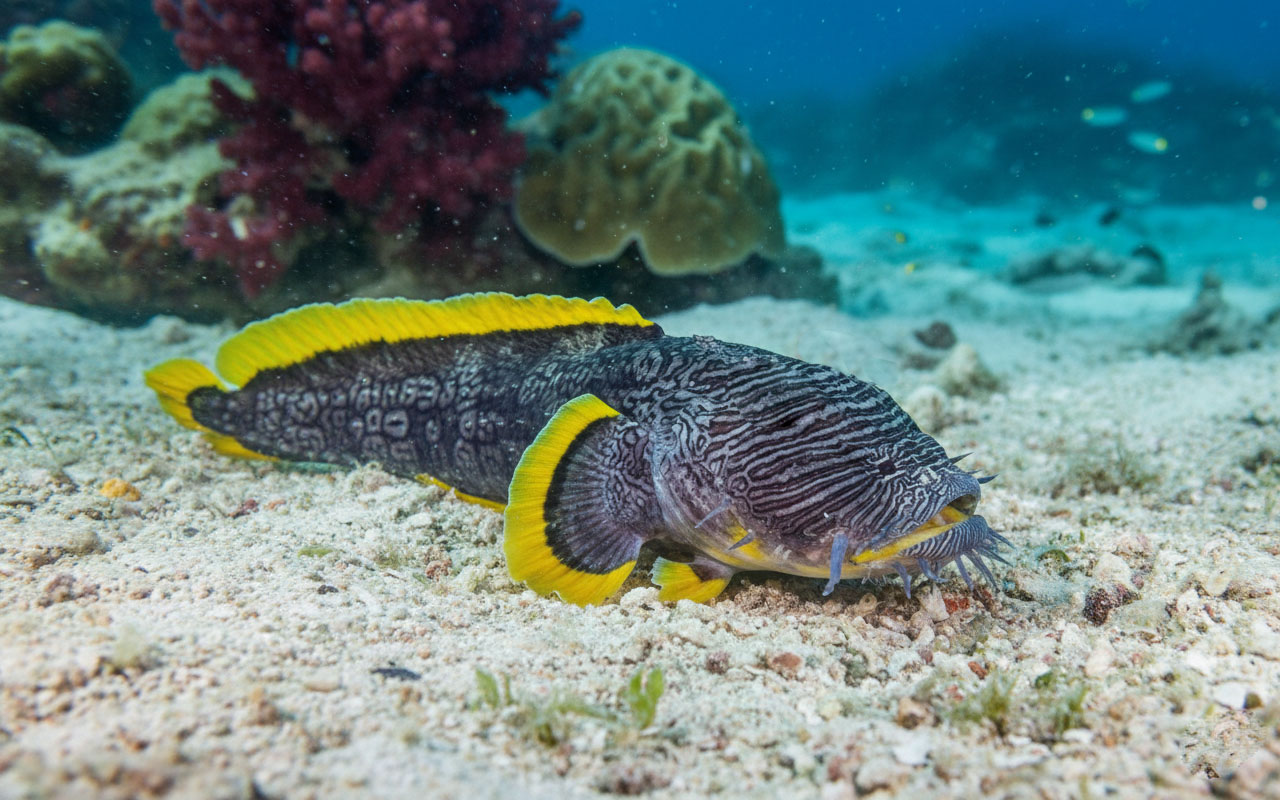
    You don’t need a chemical assist when you have 60-meter visibility and a Splendid Toadfish winking at you from a neon-purple sponge. The ocean is the ultimate surrealist, and we are just the ushers.

    Stop Watching the Clock. Let it Melt.

    Ready to trade the mundane for the marvelous? Book your spot with Blue Mayan Divers Cozumel and see what happens when you leave the surface behind.
  • First Time Diving in Cozumel? 5 Tips to Master Drift Diving

    First Time Diving in Cozumel? 5 Tips to Master Drift Diving

    Planning a scuba trip to Cozumel? You’re in for a treat. Known for its crystal-clear water and vibrant reefs, Cozumel is arguably the best diving destination in the Caribbean.

    However, if you are used to diving in quarries, lakes, or calm bays, you might be nervous about the island’s most famous feature: the current.

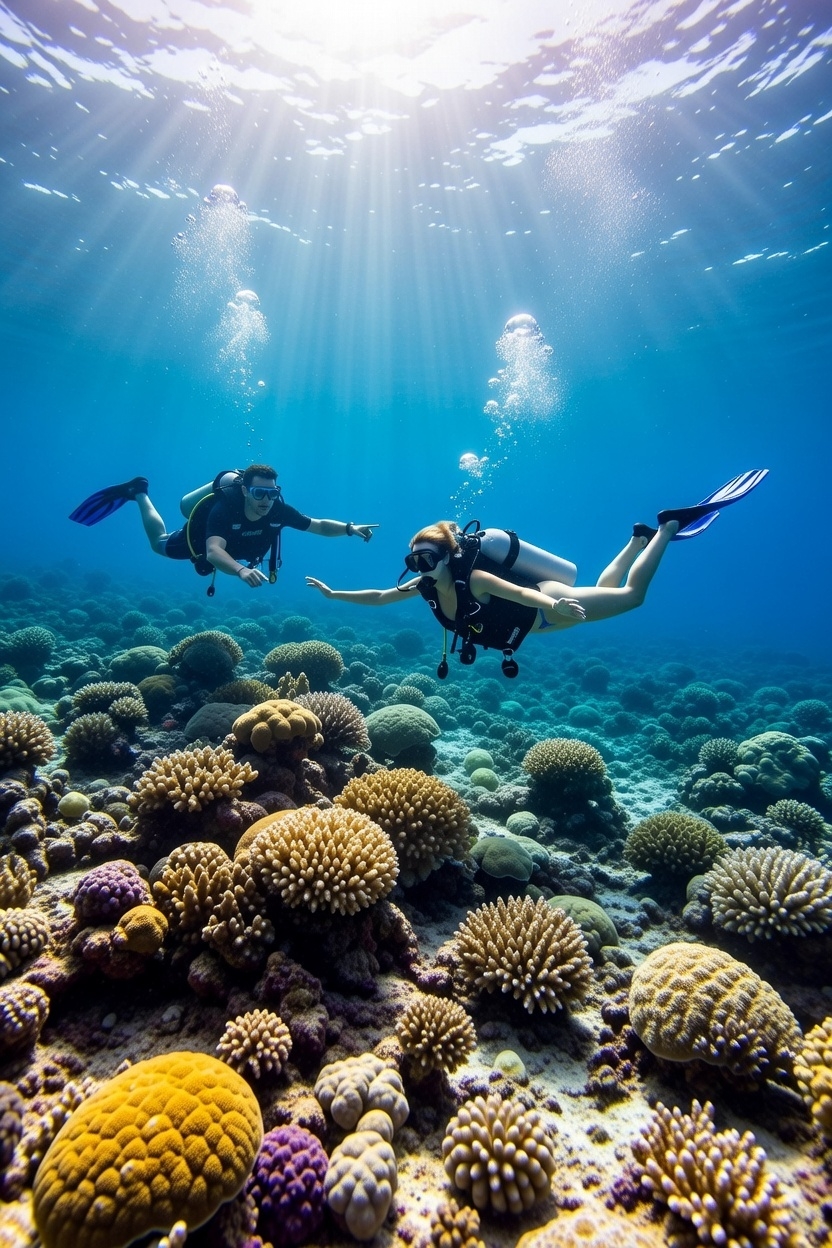
    Cozumel is world-renowned for drift diving. Instead of fighting the water, you let the current carry you along the reef while enjoying the view. It is effortless, exhilarating, and perfectly safe with the right knowledge.

    At Blue Mayan Divers, we specialize in taking care of first-time drift divers. Here are 5 tips to help you master the current and enjoy your Cozumel diving adventure to the fullest.

    1. Trust Your Guide and Stay Close

    In a drift dive, your guide is not just pointing out turtles—they are your map. They know exactly how the currents behave on specific reefs like Paradise Reef or Chankanaab.

    • The Tip: Stay within a few feet of your divemaster. If you drift too far away, you might miss the best sights or get caught in a different current flow.

    2. Master Your Buoyancy Before You Go

    In a drift, you aren’t swimming forward; you are managing your depth. You need to remain neutral to avoid crashing into the reef (damaging the coral) or floating up toward the surface (dangerous if you are with a group).

    • The Tip: Practice getting perfectly neutral before your trip. The goal is to hover gently in the water column and let the current do the work.

    3. Don’t Fight the Current

    It sounds simple, but many beginners panic and try to swim against the flow. You will only exhaust yourself and use up your air faster.

    • The Tip: Relax. Imagine you are riding a lazy river at a water park. If you need to stop to take a picture, find a spot behind a large coral head to create a “bubble” of calm water.

    4. Watch Your Air Consumption

    Because you are effortlessly gliding along, it is easy to forget to check your gauges. Excitement can also cause faster breathing.

    • The Tip: Check your air frequently. Let your guide know when you reach your half-tank mark, and never wait until you are low to signal that you are approaching your reserve.

    5. Master the Surface Signal (DSMB)

    Drift diving means the boat drops you off and picks you up at a different location. After the safety stop, you will ascend in open water, not next to a mooring line.

    • The Tip: Learn to use a Delayed Surface Marker Buoy (DSMB). Blue Mayan Divers ensures all our safety procedures are top-notch, but knowing how to deploy your sausage allows the boat captain to spot you quickly once you surface.

    Ready for an Unforgettable Dive?

    Don’t let the fear of currents keep you from experiencing the magic of Cozumel. With Blue Mayan Divers, you get personalized, small-group attention that makes drift diving safe, easy, and incredibly fun.

    Book Your Beginner-Friendly Guided Dive with Blue Mayan Divers Today!

  • Beyond the Beach: Uncovering the Hidden Natural Wonders of Cozumel

    Beyond the Beach: Uncovering the Hidden Natural Wonders of Cozumel

    When most people plan a trip to Cozumel, they picture white sand beaches and turquoise waters. While the island certainly has those, Cozumel is a UNESCO biosphere reserve holding secrets far beneath the surface and deep within its jungle interior that many tourists miss.

    If you are looking to experience the true essence of this Caribbean jewel, you need to look beyond the shore.

    1. Exploring the Mesoamerican Reef Ecosystem

    Cozumel is world-famous for its diving, but it’s crucial to understand why. The island sits on the edge of the Mesoamerican Reef, the second-largest barrier reef system in the world.

    This isn’t just a collection of rocks; it is a living, breathing ecosystem. Here, you can find:

    • Over 100 species of coral, forming massive formations that look like underwater skyscrapers.
    • Hundreds of fish species, from tiny, vibrant damselfish to the elusive Splendid Toadfish, which is found nowhere else on earth.

    For visitors, snorkeling or diving in the Cozumel Reefs National Marine Park is the best way to witness this incredible biodiversity.

    2. Discovering El Cielo: The “Starfish Haven”

    Located just off the southern coast of Cozumel, El Cielo is a shallow sandbar accessible only by boat. The name translates to “Heaven,” and for good reason.

    The water here is incredibly clear and warm, making it perfect for snorkeling. The sandbar is famous for its high concentration of starfish resting on the white sandy bottom.

    Tips for Visiting El Cielo Responsibly

    This is a fragile ecosystem. To protect it, visitors are reminded to:

    • Never touch or remove the starfish from the water, as this can be fatal to them.
    • Use only reef-safe sunscreen to avoid damaging the underwater environment.

    3. Wildlife and History at Punta Sur Eco Beach Park

    For nature lovers who prefer to stay dry, Punta Sur is the island’s largest ecological reserve. Located at the southern tip of Cozumel, this area offers a mix of lagoons, sandy beaches, and rocky cliffs.

    Highlights include:

    • Birdwatching: The lagoons are home to numerous species of birds, including frigate birds and spoonbills.
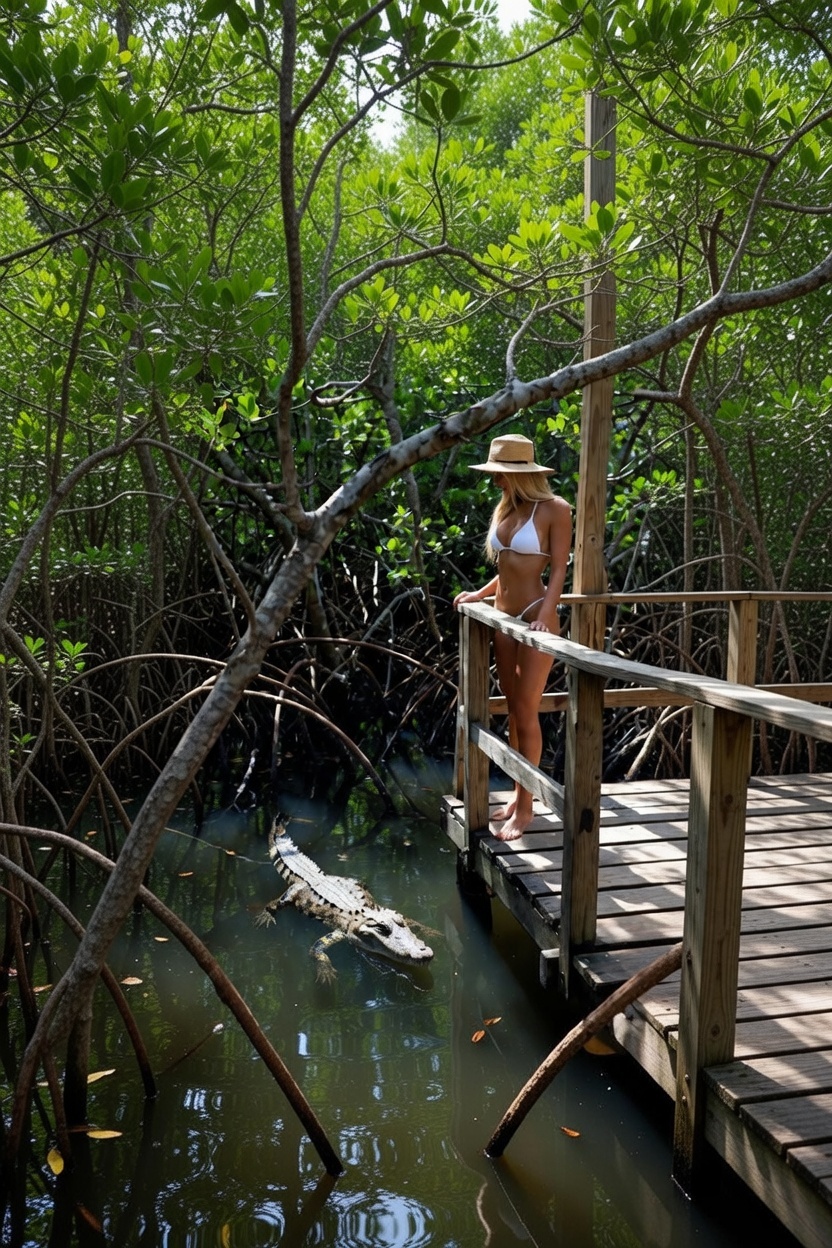
    • Crocodile Habitats: Visitors can spot crocodiles in their natural mangrove habitat from safe observation towers.
    • The Celarain Lighthouse: Climb to the top for a panoramic view of the Caribbean Sea and the surrounding jungle.

    Sustainable Tourism: Protecting Cozumel’s Future

    To keep Cozumel beautiful, it is vital to practice responsible tourism:

    • Take only pictures: Do not collect shells, coral, or marine life.
    • Respect the current: Cozumel is famous for its drift diving and snorkeling because of strong currents. Always go with a knowledgeable local guide who understands the water patterns.

  • Why Drift Diving in Cozumel is a Bucket-List Must (and How to Do It Right)

    Why Drift Diving in Cozumel is a Bucket-List Must (and How to Do It Right)

    If you’ve ever dreamed of flying underwater, Cozumel is your runway. Known for its crystal-clear visibility and the vibrant Mesoamerican Barrier Reef, this island offers a unique sensation: drift diving. ## 1. What Makes Cozumel Drift Diving So Unique?

    In Cozumel, the current does the work for you. Instead of swimming against the tide, you simply neutralize your buoyancy and glide past towering coral pinnacles.

    Effortless Exploration

    Spend less energy and more time observing the marine life. Because you aren’t kicking constantly, your air lasts longer, giving you more bottom time.

    Incredible Visibility

    The currents keep the water moving, which means sediment doesn’t settle. Visibility often exceeds 100 feet (30 meters), making it a dream for underwater photography.

    2. Why Choose Blue Mayan Divers for Your Cozumel Trip?

    The biggest complaint about Cozumel diving is the “cattle boats” packed with 20+ divers. At Blue Mayan Divers, we focus on a boutique experience.

    Small Groups for Personalized Safety

    Our small-group philosophy means your dive master can actually see you, help you, and point out the tiny macro-life others miss.

    Tailored Dive Sites

    We don’t just go to the same three spots every day. We choose dive sites based on the day’s conditions and your skill level to ensure you have the best experience possible.

    3. Top-Rated Dive Sites in Cozumel You Have to See

    When you dive with us, we aim to show you the crown jewels of the Marine Park:

    • Palancar Reef: A labyrinth of swim-throughs and massive coral heads.
    • Columbia Wall: A dramatic drop-off where the deep blue meets vibrant reef life.
    • Cedral Pass: Great for seeing schools of fish and the occasional turtle.

    Planning Your Visit to Blue Mayan Divers

    DetailWhat to Expect
    Water Temp78°F – 82°F (25°C – 28°C)
    Experience LevelAll Levels (PADI/SDI)
    Best Time to VisitYear-round

    Ready to Book Your Cozumel Dive Adventure?

    Whether you’re looking to complete your Open Water certification or you’re a seasoned pro, we’re ready to show you the best of the Caribbean.

    [Contact Blue Mayan Divers Today!]


  • The Silent Giants of Cozumel: A Deep Dive into the Marine Park’s Reef Architecture

    The Silent Giants of Cozumel: A Deep Dive into the Marine Park’s Reef Architecture

    Beyond the Blue: Understanding the Ecosystem of Arrecifes de Cozumel

    While many come to Cozumel for the “drift,” the real magic lies in the structural complexity of the Mesoamerican Barrier Reef. As the second-largest reef system in the world, the section surrounding Cozumel is unique due to its deep-water drop-offs and intense nutrient exchange.

    At Blue Mayan Divers, we believe that the more you understand the reef, the more incredible your dives become. Here is a breakdown of the biological and geological wonders you’ll encounter in the Cozumel National Marine Park.


    The Three Zones of Cozumel’s Reefs

    Cozumel’s underwater topography is divided into three distinct zones, each hosting a different community of marine life:

    1. The Inner Lagoons & Shallow Gardens (15–35 ft)

    Sites like Palancar Gardens or Chankanaab are characterized by “patch reefs.” These are dominated by Elkhorn and Staghorn corals.

    • The Vibe: High sunlight, vibrant colors, and nurseries for juvenile reef fish.
    • Look For: Sergeant Majors, Yellowtail Snappers, and the endemic Cozumel Splendid Toadfish hiding in the rubble.

    2. The Intermediate Terraces (40–70 ft)

    This is where the famous “Spur and Groove” formations occur. Massive ridges of coral (spurs) are separated by sand channels (grooves).

    • The Vibe: This is where the current starts to pick up.
    • Look For: Brain Corals the size of small cars and Giant Barrel Sponges (Xestospongia muta).

    3. The Outer Walls & Drop-Offs (80 ft+)

    The “Wall” is a vertical limestone precipice that plunges into the abyss. At sites like Santa Rosa and Columbia Deep, the wall is decorated with deep-water fans and black corals.

    • The Vibe: True “Inner Space” feeling. The water turns a deep, electric indigo.
    • Look For: Hawksbill turtles resting on ledges and Eagle Rays cruising the upwellings.

    Cozumel’s “Engine”: The Current and the Coral

    Why is the coral here so much bigger than in the rest of the Caribbean? It’s all about the Cozumel Channel Current.

    1. Nutrient Delivery: The constant flow of water from the south brings a steady supply of plankton, feeding the polyps.
    2. Self-Cleaning: The current prevents sediment from settling on the coral, which would otherwise “smother” it.
    3. The Result: This allows for the growth of massive Agaricia (Leaf Coral) and Montastraea (Star Coral) colonies that form the “towers” we swim through.

    The Species You Won’t See Anywhere Else

    FeatureDescriptionWhy it Matters
    Splendid ToadfishBrightly striped with neon fins.Found only in the waters around Cozumel.
    Black CoralTree-like structures found at depth.Highly protected; Cozumel has some of the healthiest colonies left.
    Giant Barrel SpongesReddish-brown “vases” on the reef.Some are estimated to be over 2,000 years old.

    Protecting the Reef in 2026: Our Commitment

    The health of the Arrecifes de Cozumel National Park is our top priority. As a guest of Blue Mayan Divers, you are part of a conservation-first approach. We strictly adhere to:

    • The “No-Touch” Policy: Maintaining perfect buoyancy to protect fragile coral skins.
    • Biodegradable Sunscreen Only: Protecting the water from harmful chemicals like Oxybenzone.
    • Park Rotation Awareness: Supporting the Park’s efforts to give high-traffic reefs time to “rest” and regenerate.

    Ready to See the Giants for Yourself?

    Reading about the reef is one thing—drifting through its canyons is another. Whether you are a macro-photography enthusiast or a lover of big landscapes, our private guides are trained to show you the hidden corners of these ancient structures.

    [Book Your Private Educational Dive Tour with Blue Mayan Divers]

  • Cozumel Diving Today: Eagle Rays and the February 2026 Reef “Rest”

    Cozumel Diving Today: Eagle Rays and the February 2026 Reef “Rest”

    If you are waking up in Cozumel today, February 16, 2026, you have picked a spectacular week to be here. The sun is out, the air is a comfortable 78°F, and the water visibility at sites like Palancar and Columbia is pushing a crystal-clear 100 feet.

    However, if you were planning to dive Paso del Cedral or La Francesa today, you’ll find them unusually quiet. That’s because, as of this morning, these specific sections of the Cozumel Marine Park are officially “resting.”

    The February 2026 Reef Rotation

    To keep our underwater backyard healthy, the National Park authorities (CONANP) have implemented a rotating closure schedule for 2026. For the months of February and March, the following sites are closed to all boat traffic:

    • Paso del Cedral (Cedral Pass & Reef)
    • La Francesa

    While it might be a bummer if Cedral was on your bucket list, this “reef vacation” is vital for the coral to recover and thrive. The good news? The rest of the park is wide open—and the marine life is putting on a massive show elsewhere!

    Why Today is Actually the Best Day to Dive

    We are currently in the absolute peak of Spotted Eagle Ray Season. These majestic rays prefer the slightly cooler winter waters (currently sitting at a perfect 79°F).

    With the Cedral area resting, our Blue Mayan Divers private boats are heading to sites where the “northward” current is perfect for spotting rays today:

    1. Cantarell (Eagle Ray Wall): The legendary spot for spotting “fevers” of 10 or more rays gliding together.
    2. Santa Rosa Wall: Since the current is running strong toward the northeast today, it’s a perfect drift for spotting rays cruising the abyss.
    3. Columbia Deep: The visibility here is 5-star today, making it the best spot to see the towering coral pinnacles without the crowds.

    Dive with the Locals

    At Blue Mayan Divers, we don’t just follow the conservation rules; we celebrate them. Our small-group, private charters mean we can pivot quickly to the best open reefs of the day, ensuring you get the high-end experience Cozumel is famous for while respecting the environment.

    Planning to jump in this week? Don’t let the closures catch you off guard. Let us take you to where the action is happening today.

  • The Hunter’s Guide to the Splendid Toadfish: Cozumel’s Hidden Treasure

    The Hunter’s Guide to the Splendid Toadfish: Cozumel’s Hidden Treasure

    If there is one “holy grail” for divers visiting Cozumel in 2026, it is the Splendid Toadfish (Sanopus splendidus). Endemic to the island—meaning it lives absolutely nowhere else on Earth—this psychedelic reef dweller is the ultimate prize for underwater photographers and wildlife enthusiasts alike.

    At Blue Mayan Divers, we specialize in the “Toadfish Hunt.” Here is everything you need to know about finding and photographing this vibrant Cozumel icon.


    📍 Where to Find the Splendid Toadfish in Cozumel

    You won’t find these master’s of camouflage swimming in the open blue. They are “demersal” fish, meaning they live on the bottom, usually tucked deep into the limestone crevices of the Mesoamerican Reef.

    The Best Dive Sites for Toadfish:

    • Paradise Reef: Often considered the “Toadfish Capital.” Its shallow depth (around 45ft) allows for maximum bottom time to peek under every ledge.
    • Yucab Reef: A favorite for our drift dives. Look for them at the very base of the low-lying coral heads where the reef meets the sand.
    • Tikila (Shore Dive): Perfect for photographers who want 60+ minutes of stillness to wait for the fish to poke its head out.

    📸 Mastering Splendid Toadfish Photography

    Photographing a Toadfish is a test of patience and technical skill. Because they live in dark holes, you are essentially shooting into a cave.

    Recommended Camera Settings for 2026

    To capture the electric-yellow fins and zebra-striped face, we recommend the following baseline:

    SettingRecommended ValueWhy?
    Lens60mm or 100mm MacroYou need to get close to capture the intricate “whiskers.”
    Aperture$f/11$ to $f/18$Provides enough depth of field to keep the entire face sharp.
    Shutter Speed$1/160$ or higherHelps block out ambient light for a professional black background.
    LightingDual StrobesEssential to bring out the hidden “glow” of their yellow borders.

    🛠️ The “Secret” to a Successful Hunt: Listen and Look

    Did you know you can actually hear a Splendid Toadfish before you see it? During mating season, the males produce a low-frequency “grunt” or “croak” that vibrates through your chest.

    Pro Tip: Look for the “yellow glow.” Even when the fish is deep in a hole, the bright yellow trim of their pectoral fins often gives them away against the dark rock.


    🌿 Responsible Diving: Protect the Endemic

    In 2026, Blue Mayan Divers is leading the way in sustainable “Green Fins” diving practices. Because the Splendid Toadfish is found only in Cozumel, we have a duty to protect them.

    • Perfect Your Buoyancy: Never “crawl” on the sand to get a photo. One misplaced fin can destroy the very habitat the Toadfish relies on.
    • Respect the “No-Touch” Rule: We never use sticks to poke or prod a fish out of its hole. A natural shot of a fish in its home is always more rewarding.
    • Limit Flash Cycles: If the fish retreats further into the hole, it’s stressed. We move on to the next one to ensure they stay healthy for years to come.

    Book Your Private Toadfish Expedition

    Ready to tick this rare beauty off your bucket list? Whether you’re a pro photographer with a $10,000 rig or a beginner with a GoPro, our guides at Blue Mayan Divers know exactly where the “Splendid” is hiding.

    [Button: Book Your Cozumel Dive Adventure Today]

  • Scuba Diving in Cozumel: Can You See Dolphins in February?

    Scuba Diving in Cozumel: Can You See Dolphins in February?

    Cozumel is world-renowned for its turquoise waters, but February brings a unique magic to the Mesoamerican Reef. If you are planning a trip with Blue Mayan Divers, you’re timing it perfectly for peak visibility and some of the ocean’s most charismatic residents.

    The Big Question: Spotting Dolphins in Cozumel

    While dolphins are year-round residents of the Caribbean, February is a fantastic time for sightings. Because the water is slightly cooler and the boat traffic is manageable, pods are frequently seen leaping in the boat wakes or traveling between the shallow lagoons and the deep walls.

    Where to see them?

    • Surface Intervals: Keep your eyes peeled during the boat ride to the southern reefs; dolphins love the deep blue stretches near Palancar.
    • On the Reef: While rare, lucky divers often encounter wild bottlenose dolphins at Columbia Shallow this time of year.
    • Professional Encounters: If a wild encounter isn’t enough, we can coordinate a dive at Chankanaab, where you can experience a structured scuba dive with dolphins.

    What Makes February Diving Unique?

    Diving with Blue Mayan Divers in the winter months offers distinct advantages for both photography and marine life encounters.

    1. Eagle Ray Season

    February is the peak of the Spotted Eagle Ray migration. These majestic rays prefer the cooler winter currents (around 25°C / 78°F). You’ll often see them “flying” in formation along the wall drop-offs at Santa Rosa Wall.

    2. World-Class Visibility

    Since February is part of the dry season, there is very little sediment runoff. This results in “gin-clear” water, often exceeding 100 feet of visibility, which is ideal for spotting dolphins from a distance before they even reach you.


    Why Choose Blue Mayan Divers Cozumel?

    At Blue Mayan Divers, we focus on small-group experiences. This is crucial in February; less noise and fewer divers in the water mean a much higher chance that shy marine life—like dolphins, turtles, and rays—will stick around to say hello.

    Our February Dive Packages Include:

    • PADI Certified Guides who know the “secret spots” for eagle rays.
    • Comfortable, well-maintained gear for cooler winter waters.
    • Customizable itineraries to suit your experience level.

    Book Your Cozumel Winter Escape

    Don’t let the winter blues get you down. Join us in Cozumel for sunshine, salt water, and the chance of a lifetime to see dolphins in the wild.


  • Master the Depths: Earn Your Deep Diver Specialty at Punta Sur’s “The Cathedral”

    Master the Depths: Earn Your Deep Diver Specialty at Punta Sur’s “The Cathedral”

    If you’ve ever stared down into the crystal-clear abyss of Cozumel’s southern reefs and wondered what lies beyond the 30-meter mark, you aren’t alone. For many, the ultimate goal of diving in Cozumel is The Cathedral—the crown jewel of the legendary Punta Sur reef.

    However, visiting this majestic site isn’t just about having a tank on your back; it’s about having the right training. At Blue Mayan Divers, we specialize in bridging that gap through the Deep Diver Specialty course.


    Why You Need the Deep Diver Specialty for Punta Sur

    The “Devil’s Throat” and “The Cathedral” are world-renowned for a reason. These aren’t your average drift dives. To experience them safely and enjoyably, you need to manage variables that don’t exist in the shallows.

    • The Depth: The Cathedral typically sits between 100 and 120 feet (30–37 meters). Standard Open Water certifications limit you to 60 feet, and Advanced Open Water to 100 feet.
    • Gas Management: At these depths, you breathe through your air significantly faster. We teach you how to calculate your consumption to ensure a safe ascent.
    • Nitrogen Narcosis: Understanding how your body reacts to “the martini effect” is crucial when navigating complex swim-throughs.
    • Safety Stops & Deco: Deep diving requires a disciplined approach to decompression safety.

    What to Expect at The Cathedral

    Once you’ve mastered the skills with our instructors, The Cathedral opens up like a submerged sanctuary.

    The Experience: You’ll enter through a series of vaulted chambers where shafts of sunlight pierce through overhead openings, creating a “stained glass” effect against the deep blue water. It is silent, awe-inspiring, and reserved for those with the technical proficiency to be there.


    Training with Blue Mayan Divers

    We don’t believe in “fast-track” certifications that skip the details. When you train with Blue Mayan Divers, you get:

    FeatureWhat You Gain
    Small GroupsPersonalized attention from our master instructors.
    Top-Tier GearWell-maintained equipment suited for deep exploration.
    Local ExpertiseWe know the currents of Punta Sur better than anyone.
    Safety FirstRedundant air sources and rigorous dive planning.

    Ready to Go Deeper?

    Don’t let a depth limit hold you back from Cozumel’s most iconic dive site. Level up your skills, gain confidence, and see the side of the island that most tourists never reach.

    Book your Deep Diver Specialty with Blue Mayan Divers today and let’s head south to Punta Sur!

  • Dive Deep: Conquering the Devil’s Throat with Blue Mayan Divers in Cozumel

    Dive Deep: Conquering the Devil’s Throat with Blue Mayan Divers in Cozumel

    If you’re a seasoned diver, the name Punta Sur likely sends a thrill through your regulator. Located at the southern tip of Cozumel’s Marine Park, it is home to one of the most legendary underwater formations in the world: The Devil’s Throat.

    When it comes to navigating this deep, technical cathedral of coral, you want a crew that knows the currents like the back of their hand. That’s where Blue Mayan Divers comes in.


    What is the Devil’s Throat?

    The Devil’s Throat is not just a dive; it’s a rite of passage. It is a narrow, light-filled tunnel that begins at approximately 80 feet and slopes steeply downward, depositing divers out of a “throat” in the wall at a breathtaking 130 to 140 feet.

    • The Experience: You’ll start by entering a dark opening in the reef. As you descend through the narrow chimney, the sapphire blue of the abyss begins to glow at the exit.
    • The Depth: Reaching the exit puts you at the edge of a massive drop-off, looking out into the deep blue where eagle rays and sharks often cruise.
    • The Challenge: Due to the depth and potential for nitrogen narcosis, this is strictly an advanced dive.

    Why Dive with Blue Mayan Divers?

    Cozumel has no shortage of dive shops, but for a high-consequence dive like the Devil’s Throat, the “Blue Mayan” difference is real:

    • Small Groups, Big Safety: They specialize in small boat experiences. You won’t be “cattle-boating” it with 20 other people. This is crucial for managing air consumption and bottom time at 140 feet.
    • Expert Briefings: Their divemasters are famous for their detailed briefings. You’ll know exactly where the entry point is, how to navigate the “Cathedral” section, and what the deco-stop plan looks like.
    • Top-Tier Gear: Deep dives require reliability. Blue Mayan maintains their equipment to the highest standards, ensuring your focus stays on the scenery, not your SPG.

    Essential Gear & Prep for the Deep

    Because you’ll be hitting the 140ft mark, preparation is key. Here is what we recommend:

    ItemImportanceWhy?
    Dive ComputerMandatoryTo monitor your NDL (No Decompression Limit) closely.
    High-Lumen TorchHighThe “Throat” is dark, and colors vanish at 140ft.
    NitroxRecommendedWhile it limits your max depth, many divers use it for the safety margin on the ascent.
    Advanced CertificationMandatoryYou must show proof of AOW or higher for this site.

    What to Expect on the Day

    A typical trip to Punta Sur with Blue Mayan Divers starts early to beat the crowds. The boat ride to the southern point is a bit longer, but the sight of the untouched reefs and the towering coral pinnacles makes it worth every minute.

    After the “Throat,” you’ll usually explore the Cathedral, a massive underwater room with vaulted ceilings of coral and shafts of sunlight piercing through the cracks. It’s a spiritual experience for any thalassophile.

    Pro Tip: Keep an eye on your computer! At 140 feet, your bottom time is incredibly short. Listen to your Blue Mayan guide—they are masters at timing the exit to maximize your dive safely.


    Ready to tick the Devil’s Throat off your bucket list? Blue Mayan Divers offers the perfect blend of local expertise and professional safety. Whether you’re looking to photograph the “throat” or just feel the rush of the abyss, they are the team to take you ther