When most people plan a trip to Cozumel, they picture white sand beaches and turquoise waters. While the island certainly has those, Cozumel is a UNESCO biosphere reserve holding secrets far beneath the surface and deep within its jungle interior that many tourists miss.
If you are looking to experience the true essence of this Caribbean jewel, you need to look beyond the shore.
1. Exploring the Mesoamerican Reef Ecosystem
Cozumel is world-famous for its diving, but it’s crucial to understand why. The island sits on the edge of the Mesoamerican Reef, the second-largest barrier reef system in the world.
This isn’t just a collection of rocks; it is a living, breathing ecosystem. Here, you can find:
- Over 100 species of coral, forming massive formations that look like underwater skyscrapers.
- Hundreds of fish species, from tiny, vibrant damselfish to the elusive Splendid Toadfish, which is found nowhere else on earth.
For visitors, snorkeling or diving in the Cozumel Reefs National Marine Park is the best way to witness this incredible biodiversity.
2. Discovering El Cielo: The “Starfish Haven”
Located just off the southern coast of Cozumel, El Cielo is a shallow sandbar accessible only by boat. The name translates to “Heaven,” and for good reason.
The water here is incredibly clear and warm, making it perfect for snorkeling. The sandbar is famous for its high concentration of starfish resting on the white sandy bottom.
Tips for Visiting El Cielo Responsibly
This is a fragile ecosystem. To protect it, visitors are reminded to:
- Never touch or remove the starfish from the water, as this can be fatal to them.
- Use only reef-safe sunscreen to avoid damaging the underwater environment.
3. Wildlife and History at Punta Sur Eco Beach Park
For nature lovers who prefer to stay dry, Punta Sur is the island’s largest ecological reserve. Located at the southern tip of Cozumel, this area offers a mix of lagoons, sandy beaches, and rocky cliffs.
Highlights include:
- Birdwatching: The lagoons are home to numerous species of birds, including frigate birds and spoonbills.
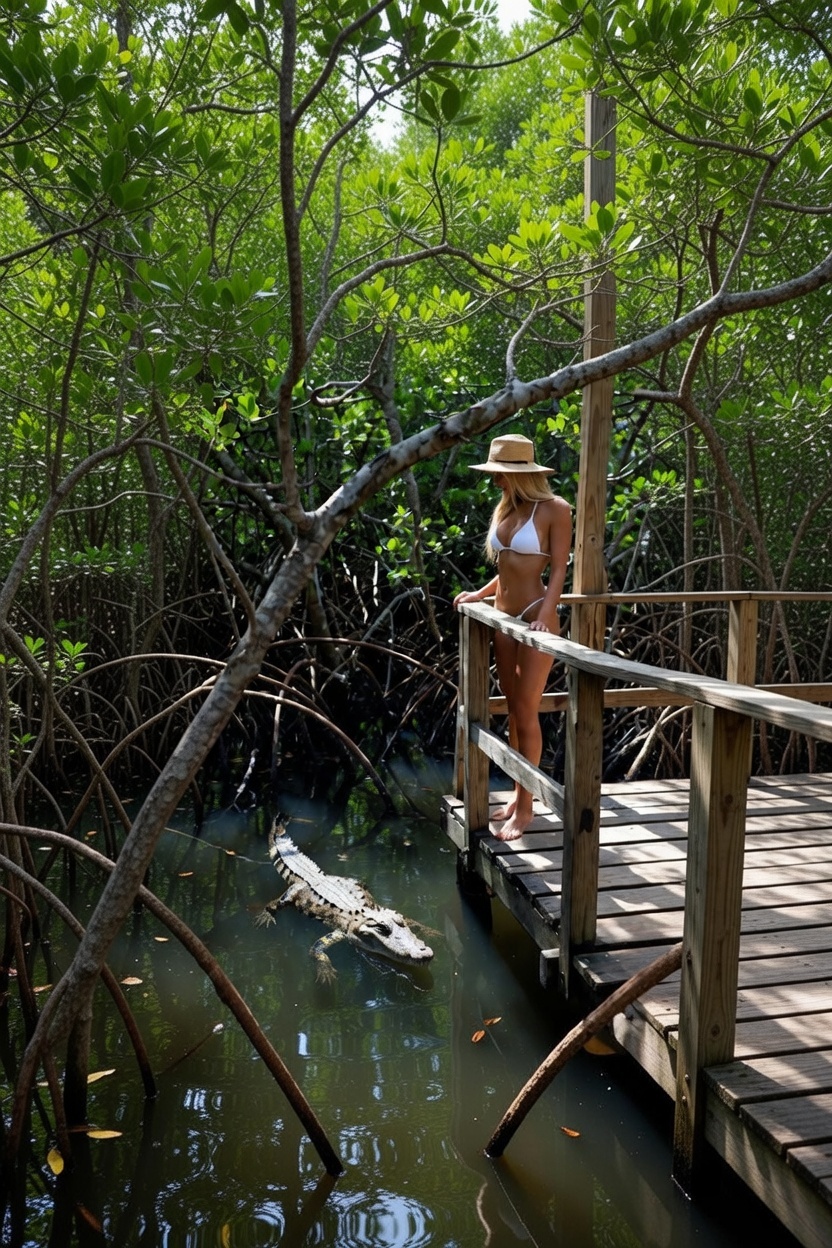
- Crocodile Habitats: Visitors can spot crocodiles in their natural mangrove habitat from safe observation towers.
- The Celarain Lighthouse: Climb to the top for a panoramic view of the Caribbean Sea and the surrounding jungle.
Sustainable Tourism: Protecting Cozumel’s Future
To keep Cozumel beautiful, it is vital to practice responsible tourism:
- Take only pictures: Do not collect shells, coral, or marine life.
- Respect the current: Cozumel is famous for its drift diving and snorkeling because of strong currents. Always go with a knowledgeable local guide who understands the water patterns.
Leave a Reply